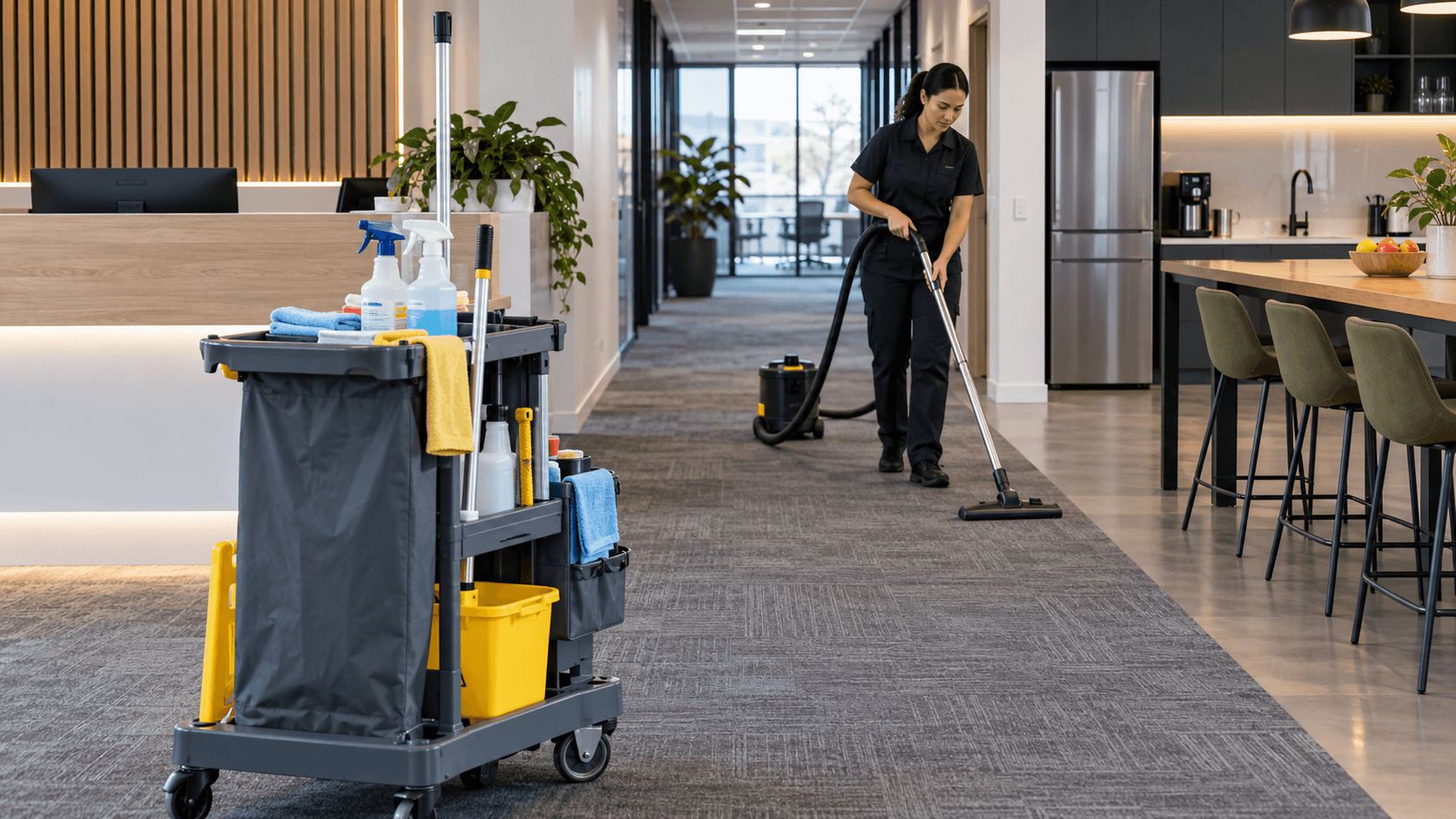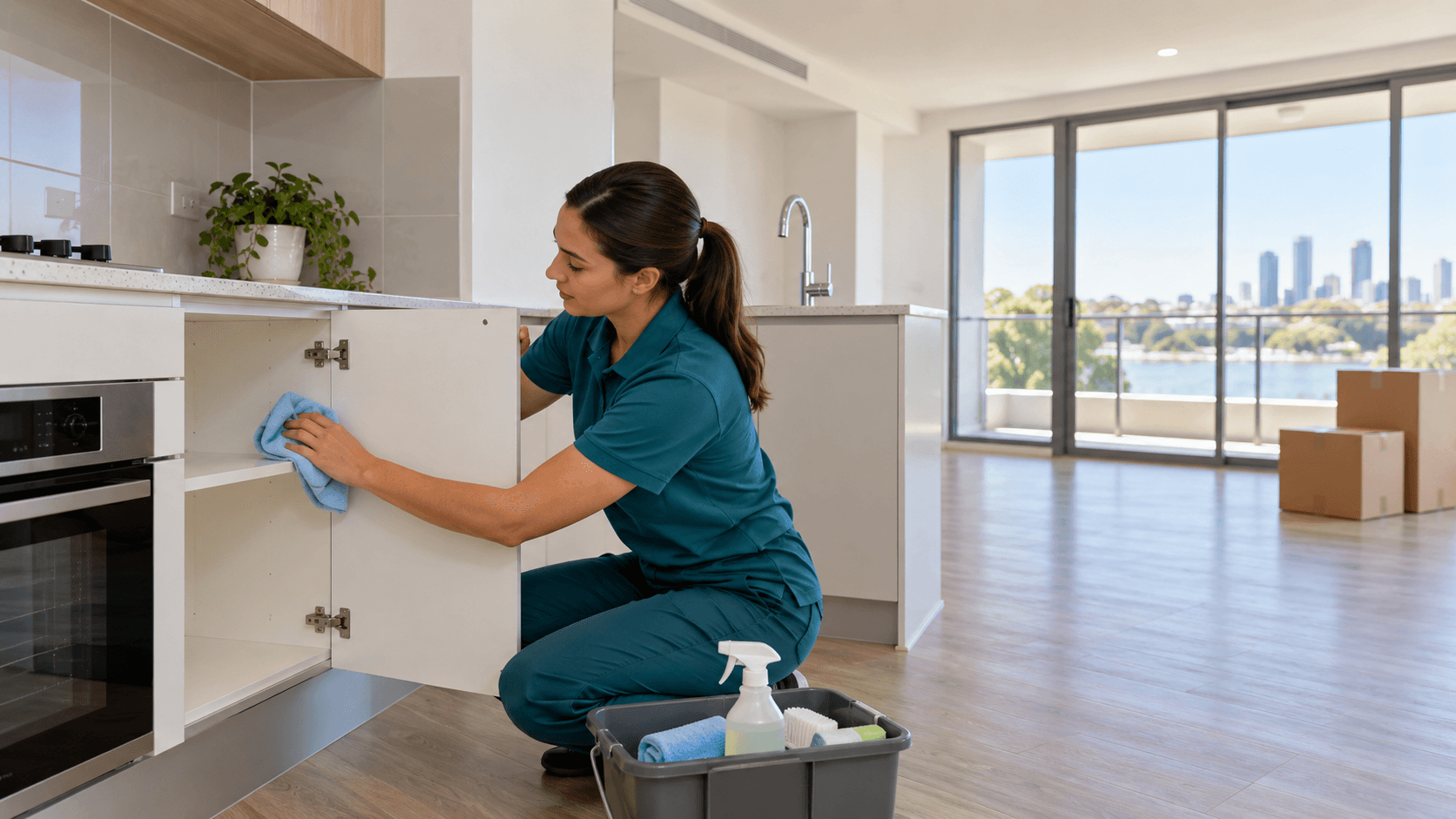
There is no single cleaning frequency that suits every office. A quiet professional suite with a small team has different needs from a busy workplace with shared kitchens, customer meetings and constant foot traffic.
The most useful approach is to separate everyday presentation tasks from less frequent detail work. This creates a schedule that protects the areas people use most without paying for unnecessary visits or allowing important tasks to fall behind.
Start with how the workplace is used
Occupancy is only one part of the decision. Consider how many people attend on a typical day, whether visitors enter the site, how often meeting rooms turn over and whether staff prepare food in a shared kitchen. Wet weather, nearby construction and public-facing entrances can also increase floor and glass cleaning needs.
A hybrid office may be quiet on some days and full on others. In that situation, scheduling around peak attendance can be more effective than using the same routine every day.
- Small, low-traffic offices may suit one or two scheduled visits each week.
- Medium workplaces with regular attendance often benefit from several visits each week.
- Busy offices, customer-facing sites and heavily shared facilities may need daily attention.
- Washrooms, kitchens and entry areas may need a different frequency from workstations.
Tasks that often need frequent attention
High-contact and shared areas usually show wear first. Bins, kitchen benches, sinks, washrooms, door handles and entry floors can affect how clean the whole workplace feels even when desks and meeting rooms remain tidy.
A regular visit can focus on these core tasks while rotating detail work across the month. This makes the plan more efficient and helps stop gradual build-up around edges, fixtures and less visible surfaces.
- Emptying and relining bins where required
- Cleaning kitchen benches, sinks and accessible exterior surfaces
- Cleaning washroom fixtures, mirrors, touchpoints and floors
- Vacuuming or mopping entries and high-traffic paths
- Wiping agreed shared touchpoints and meeting surfaces
Build periodic detail cleaning into the plan
Routine cleaning maintains presentation, but it may not cover every detailed task on every visit. Skirting boards, internal glass, high dusting, chair bases and less accessible edges can be scheduled weekly, monthly or seasonally depending on the site.
Writing these tasks into the scope is more reliable than waiting until they become obvious. It also gives both the cleaning team and workplace contact a clear reference point.
Signs your current frequency is too low
If bins fill before the next visit, kitchen surfaces repeatedly need staff attention or entry floors look tired halfway through the week, the schedule may not match actual use. Recurring complaints, persistent washroom odours and visible dust on shared surfaces are other signs that the frequency or scope needs adjustment.
The answer is not always an extra full clean. A short additional visit focused on kitchens, washrooms and bins may solve the problem more efficiently.
Review the schedule as the workplace changes
Team growth, office moves, new shift patterns and seasonal weather can all change cleaning demand. Review the plan after the first few services and whenever the way the site operates changes.
A useful cleaning plan should be specific enough to create consistency and flexible enough to respond when priorities change.
Frequently asked questions
Does every office need daily professional cleaning?+
No. Daily cleaning is useful for busy or customer-facing workplaces, but smaller low-traffic offices may be well served by one or more scheduled visits each week.
Can different areas have different cleaning frequencies?+
Yes. Kitchens, washrooms, entries and bins often need more frequent attention than desks, internal glass or periodic detail tasks.
Can office cleaning happen after business hours?+
Often, yes. Access, security requirements and available service times should be agreed during quoting.
Need help with your property?